How A Homebase Store Manager Uses Training, Teamwork, and Robotics Technology to Improve Store Execution

Lynn Brook
At HomeBase in Ottawa, Kansas, Store Manager Tim Blakesley oversees day-to-day retail operations. That includes leading a 26-person team while navigating staffing challenges, inventory management, and customer expectations. His role sits at the center of the store experience.
We spoke with Tim about what it takes to run a high-performing home improvement store, how strong training and communication shape team success, and how technology like Tally, the autonomous shelf-scanning robot, has helped improve inventory visibility, pricing accuracy, and overall store execution.
Q: Can you tell us about your role and what a typical day looks like managing a home improvement store?
I’m the store manager at HomeBase in Ottawa, Kansas, and I’ve been with the company since 2017. Before that, I spent about 20 years with Walmart logistics.
I actually started here in a much different role. I came in doing bids and quotes because I grew up around construction and knew a lot about doors, windows, and building materials. Over time, I moved into assistant manager, then assistant store manager, and eventually general manager.
We also moved from an 18,000-square-foot store into the 48,000-square-foot store we operate today, so there’s been a lot of growth over the years.
“The culture that we have is bar none one of the best cultures I’ve ever had.”
What I appreciate most is that each store has its own personality, but there’s still a strong sense of collaboration across the company. We have store managers all over the country, but it really feels like we’re all working together.
Q: What are some of the biggest day-to-day challenges in retail store operations?
One of the biggest challenges is staffing and retention.
Like a lot of retailers, turnover can be difficult. Hiring, training, and developing people takes time, and when someone leaves, it creates additional pressure on the entire team.
At the same time, customer expectations continue to rise, making consistent customer experience more important than ever.
A good day for me is when everybody shows up, stays on task, and works together.
Q: What helps you stay effective in a fast-paced retail environment with constant operational demands?
For me, it all comes down to training and communication.
“Inspect what you expect.”
That’s something I learned years ago, and it still applies today. You can’t just tell someone to do a task and assume they know exactly what success looks like. You need to train them, set expectations clearly, and then follow up.
At HomeBase, new hires spend their first week shadowing experienced team members. We want people learning directly alongside associates who can guide them and answer questions in real time.
Over the years, I’ve also learned the importance of delegation. Early on, I tried to carry everything myself, and it became overwhelming pretty quickly.
That trust and communication across the team makes a huge difference in how effectively the store runs day to day.
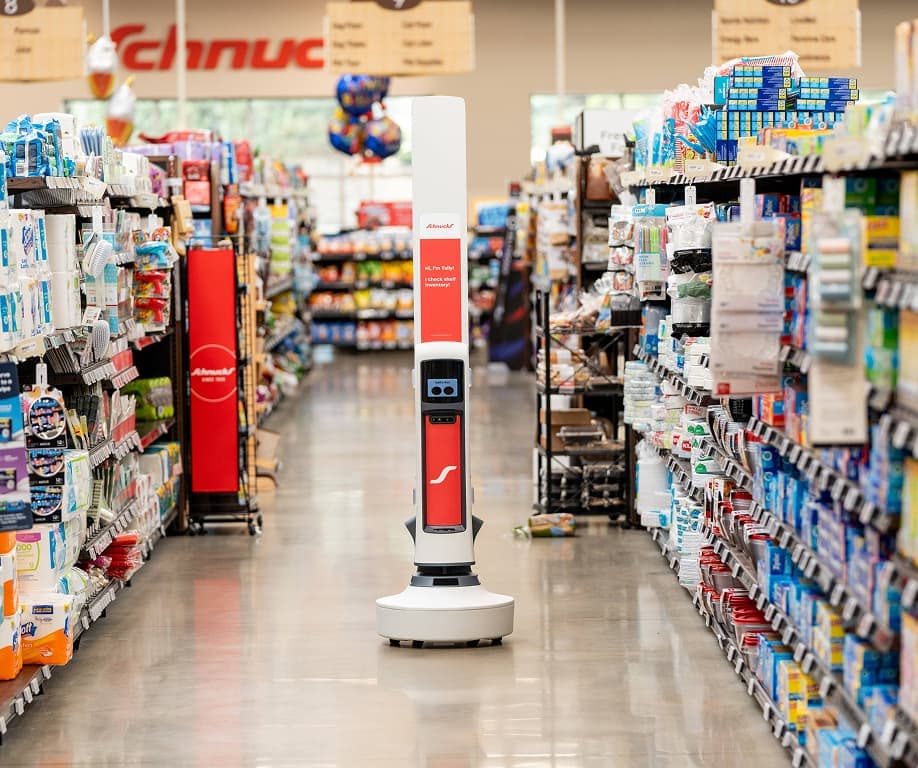
Q: How did your team respond when Tally the robot was introduced into your store?
There was some hesitation at first around what the technology would mean and how it would fit into daily operations.
But once the rollout started, the focus quickly shifted toward understanding how the system could actually help the team.
We had training sessions with the Simbe team, and I made sure my assistant managers were front and center because they were going to be working with it most closely every day.
We get regular reports related to out-of-stocks and pricing issues from the data Tally collects. These reports from Tally need to be worked every single day. I’ve never given anybody an option on whether or not they will complete the tasks.
Once the team started using the reports consistently, it became much easier to see the value.
Now, I view Tally as part of the workflow.
Q: How does Tally fit into your team’s daily workflow today?
The biggest benefit is visibility and efficiency.
Before, I personally spent hours every day walking the store trying to identify out-of-stocks and inventory gaps manually.
“After an hour of walking the store looking at aisles, your eyes start going crossed.”
Now, the reports from Tally provide a much clearer roadmap for where the team should focus attention. Instead of manually searching aisle by aisle, associates can quickly identify issues and address them more efficiently.
The system also helps identify patterns over time. If a product is consistently out of stock, it may signal that shelf space needs to be adjusted or inventory needs to be re-evaluated.
That visibility has helped improve shelf conditions while reducing the amount of time spent manually searching for issues across the store.
Q: Have you seen measurable improvements since implementing Tally?
Yes, especially around pricing accuracy and out-of-stock visibility.
At HomeBase, state auditors regularly visit stores to check pricing accuracy. They scan 100 items throughout the store, and stores can only have two pricing discrepancies or less.
Tally helps us pass those audits every time.
The pricing discrepancy reports have helped the team catch issues much earlier, reducing customer friction and improving confidence in shelf pricing accuracy.
The team has also seen major improvements in out-of-stock reduction.
“When we started, we were a little over 300 outs. Now on a daily basis we’re usually somewhere around 20 to 24.”
For store teams, that kind of inventory visibility creates a much clearer picture of what’s happening on the sales floor day to day.
Q: How have your teams and shoppers reacted to Tally over time?
Customers have been very curious about it from the beginning.
Once associates explain that the robot helps improve inventory accuracy and keep products in stock, shoppers tend to respond positively.
The team has also become more comfortable with the process over time because it fits naturally into existing workflows. Managers work different reports throughout the day, and everyone has access to the information they need directly from their devices.
From locating products more quickly to identifying packaging changes and improving inventory organization, the system has gradually become another operational tool the team relies on daily.
“There’s lots of applications if you’re willing to explore the full benefits of it.”
Q: What are you most proud of as a store manager leading a retail team?
I’m most proud of my people.
The most rewarding part of the job is seeing employees grow into their roles over time and become more confident decision-makers.
That development, more than anything else, is what defines success as a leader.
At the end of the day, if you invest in your people, the store takes care of itself.


Lynn Brook
Sr. Director, Product Marketing
Lynn Brook is Senior Director of Product Marketing at Simbe, where she leads positioning, go-to-market strategy, and customer advocacy. She brings over 15 years of product marketing experience at retail technology companies, specializing in multi-audience commerce environments with leadership roles spanning high-growth startups to billion-dollar companies.
![[On Demand] Real Talk | What Using Robots in Retail Stores is Really Like](/_next/image?url=https%3A%2F%2Fcdn.sanity.io%2Fimages%2Foh42c9n6%2Fproduction%2F8cb019fe8c1a0e3317a85dfff2d95fad7fc5038a-3240x1700.png&w=3840&q=75)