Move Fast on Shelf Intelligence: A Conversation with Sean Spillane

Caitlin Allen
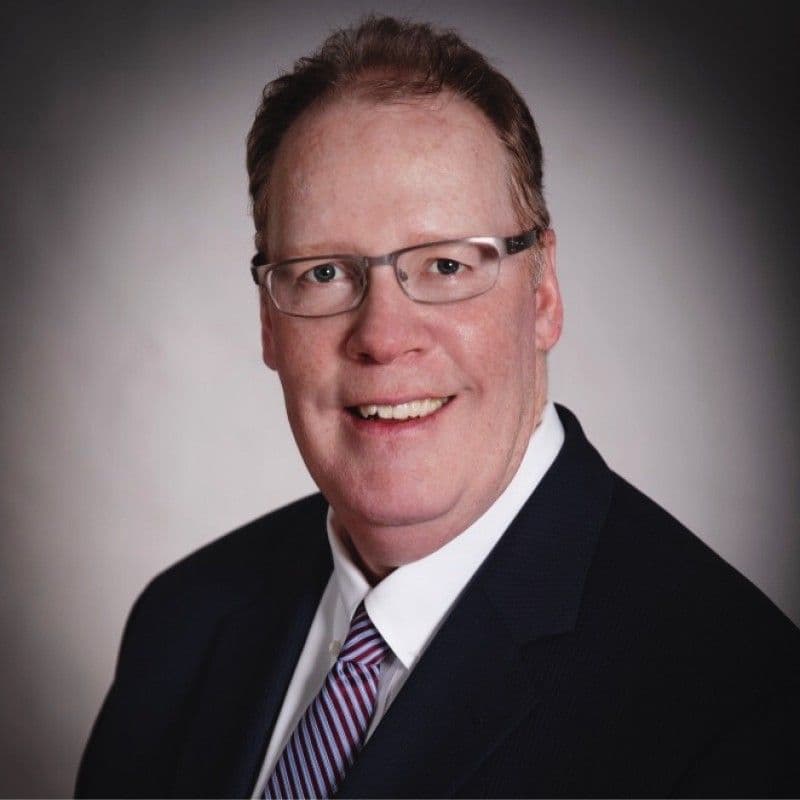
Sean Spillane brings a rare vantage point to retail strategy shaped by years advising the industry and time in the operator’s seat. Most recently serving as SVP of Strategy, Real Estate, Pricing, and Format Development at Stop & Shop, a $15B regional grocer, Sean was one of the first U.S. executives to deploy shelf digitization and robotics. Prior to that, he spent two decades advising major retailers like Target, CVS, and Best Buy as part of Accenture Strategy.
Today, Sean continues to shape the future of retail as a member of Simbe’s Strategic Advisory Board. In our conversation, he shares lessons from the frontlines of grocery innovation, how shelf intelligence reshapes operations and customer experience, and where he believes the next wave of industry transformation will come from.

Caitlin Allen
SVP, Market
Caitlin Allen is SVP of Market at Simbe, where she leads brand, communications, and commercial strategy, and chairs Simbe's Strategic Advisory Board. She brings almost 20 years of experience scaling market-defining technologies from startup to IPO, including senior marketing roles at Lyft, Happy Returns, and Andreessen Horowitz.
“Go fast. That doesn't mean don't pilot. You learn from the pilots. But I would say don't do an extensive pilot. The business case is there, and it's large. Move faster than you normally move.”
Q (Caitlin): Looking back at your career, both in consulting and at Stop & Shop, what shaped your perspective most on retail strategy?
A (Sean): What I’ve consistently seen is that most retailers’ one- to three-year strategies are really operational strategies. Big corporate moves like acquisitions or divestitures matter, but differentiation comes from how strong your operations are, and how much you’re continuously improving them.
That could mean pricing, marketing, distribution, or real estate. It’s not just technology; it’s also process and people capabilities, underpinned by data and analytics. The retailers who focus on being strong operators and innovating in their operations year after year are the ones who win in the marketplace.
Q: In your view, what separates a great retailer from a good one?
A (Sean): Three things stand out. First is a culture of change, or at least the capability to change continuously, not just when forced. If you look at the top 20 U.S. retailers every couple of decades, the list changes a lot. The winners are the ones who adapt consistently.
Second is a strong leadership team. Not just strong individuals, but leaders who collaborate across merchandising, supply chain, store ops, and finance. Retail is such an integrated system that if the leadership team isn’t aligned, execution falls apart.
And third, of course, is customer centricity. The best retailers are obsessed with the customer experience and differentiate on that dimension above all.
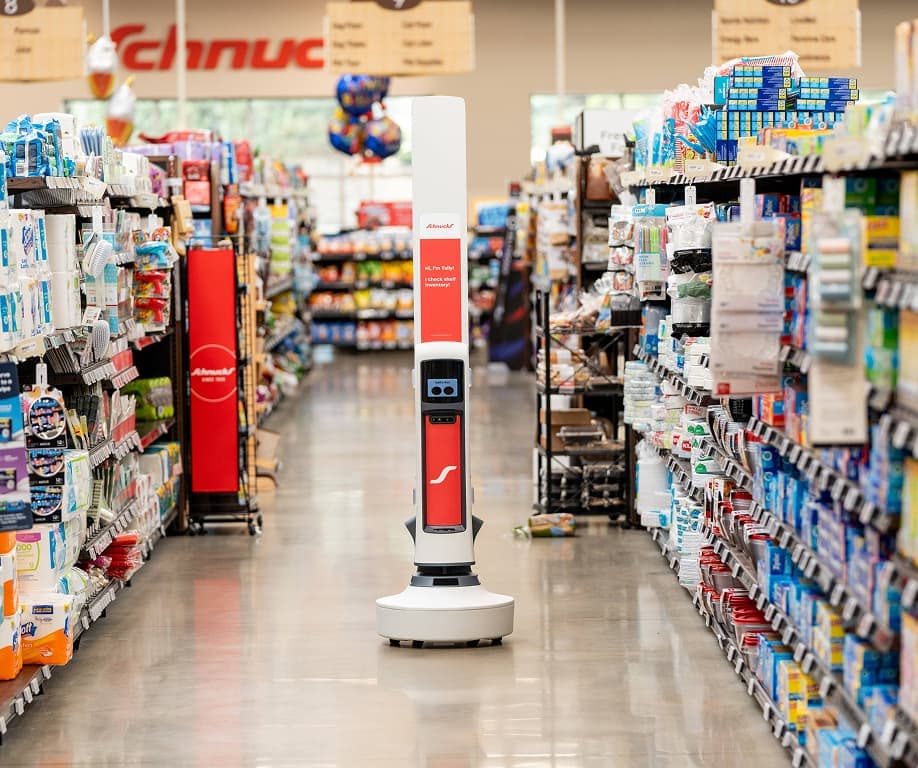
Q: At Stop & Shop, you were one of the first executives in the U.S. to bring shelf digitization and robotics into a grocery chain. What motivated that decision?
A (Sean): Two things drove the decision: cost savings and customer experience.
In grocery, price is everything, and every operational saving we found could be reinvested into sharper prices for customers. At the same time, shelf digitization gave us an opportunity to improve the in-store experience—keeping shelves full, reducing out-of-stocks, and helping associates focus on higher-value work.
So for us, it was about operational efficiency and customer differentiation.
Q: What lessons did you take away from that implementation?
A (Sean): One lesson was the importance of speed. The business case was clear, so the quicker we rolled out, added functionality, and iterated, the more value we captured.
Another was the importance of change management—especially with a unionized workforce. Preparing associates and even customers for what it meant to see robots in stores was critical.
We also saw unexpected behavior shifts. Once associates had visibility into shelf data, they didn’t just react to issues, they wanted to prevent them. That change in motivation was a pleasant surprise.
And finally, I’d bring merchants in earlier. Our rollout was led by store operations, which made sense. But over time, we realized merchants could have unlocked huge value sooner if they’d been at the table.
Q: What advice would you give retailers now considering shelf intelligence?
A (Sean): “Go fast. That doesn't mean don't pilot. You learn from the pilots. But I would say don't do an extensive pilot. The business case is there, and it's large. Move faster than you normally move.”
And involve your whole leadership team early—store ops, merchants, finance, HR, the CEO. Shelf intelligence touches every part of the business. Having everyone engaged from the outset sets the stage for success.
Q: You recently joined Simbe’s Strategic Advisory Board. What stood out to you about Simbe?
A (Sean): Simbe started with a vision: using computer vision, AI, and robotics to add value for retailers and improve customer experience. That mission has stayed consistent.
What differentiates Simbe is how they partner with clients. It’s about working together to identify the highest-value opportunities, tailoring the technology, and continuously improving it. That forward-looking, value-driven culture is rare and it’s why I wanted to get involved.
Q: Where do you see the strongest entry points for shelf intelligence in retail today?
A (Sean): There are two that stand out right away, especially given how many different technologies are competing for attention and investment on a retailer’s innovation agenda.
The first is with the head of store operations. These solutions live in the stores, so you have to have that leader deeply engaged from the beginning. If the head of store ops believes in the solution and guides how it’s deployed, success is far more likely. Without their buy-in, it’s hard for shelf intelligence to make an impact.
The second is with the CEO. Shelf intelligence doesn’t just affect store operations. It touches HR, because it changes how associates spend their time. It creates new value for merchandising through better visibility. It shapes financial decisions that matter to the CFO. And it ultimately impacts the customer experience. The CEO is the one person who can see across all of that, bring those perspectives together, and unlock the full value of what shelf intelligence can deliver. Having the CEO at the table early broadens the vision of what’s possible and ensures the solution is championed across the organization.
Q: As you look at the future, what excites you most about where this market is headed?
A (Sean): In the short term, adoption. The business case is strong, especially in grocery, so I think we’re about to see rapid growth. Being part of that tipping point is exciting.
Longer term, it’s about future functionality—what else shelf intelligence can do beyond today’s capabilities, and which features will matter most for retailers and customers. Helping shape that roadmap is something I’m really looking forward to.
Q: What broader retail trends do you see defining the next few years?
A (Sean): No surprise, the first one is AI. It’s going to drive both operational improvements and customer-facing experiences, things like hyper-personalization, loyalty, promotions, and recommendations.
Second is the supply chain. We’ll continue to see automation, new delivery methods, and efficiency gains. The big players like Walmart and Amazon will keep setting the pace because they can invest heavily, but the ripple effects will impact the entire industry.
And the third is in-store technology. Just like smartphones went from novel to ubiquitous, tools like robots and mobile apps for associates will become standard.
“I think in the future, walking into a store without technology will feel as alien as seeing someone without a cellphone today.”
Q: Any predictions as we approach 2026?
A (Sean): The investments in in-store technology have already begun, so I think customers are going to start seeing much more in-store technology next year. It won’t be everywhere yet, but it will be far more visible than today. And it will make shopping more reliable, more efficient, and more personal.
![[On Demand] Real Talk | What Using Robots in Retail Stores is Really Like](/_next/image?url=https%3A%2F%2Fcdn.sanity.io%2Fimages%2Foh42c9n6%2Fproduction%2F8cb019fe8c1a0e3317a85dfff2d95fad7fc5038a-3240x1700.png&w=3840&q=75)