The Independent Grocers Playbook for Success – 2026

Thom Blischok
Thom Blischok is the Chairman and CEO of The Dialogic Group
Six Opportunities to Differentiate and Compete on a Larger Scale:
1. Lead with local influence and build strong community roots.
2. Develop a digital advantage.
3. Leverage technology to transform differentiation both organizationally and operationally.
4. Achieve success through freshness paired with a curated national and private brand selection.
5. Increase relevance through loyalty innovation.
6. Expand your collaborative reach.
In 2026, independent grocers are positioned to succeed by capitalizing on their unique strengths of community trust and operational flexibility, while adopting technologies once reserved for large chains. To succeed in 2026, the focus is on increasing profit margins, carefully managing costs, improving the overall shopping experience, and preparing your stores for the future — all while keeping your community at the center of every decision.
But how can this be achieved? Is there a clear roadmap? What evidence can support the independent operator in developing a practical operational plan?
At NGA 2026, we brought together participants across successful independent grocers and leaders from the Wholesale Grocery community, to discuss the following:
Leveraging community trust:
78% of surveyed consumers now prefer neighborhood grocers over big-box stores. Successful independent grocers in 2026 are capitalizing on this trend by providing personalized value and real-time savings, showing their commitment to prioritizing consumers' best interests.
Total Shopping Experience Activation of Digital Trends:
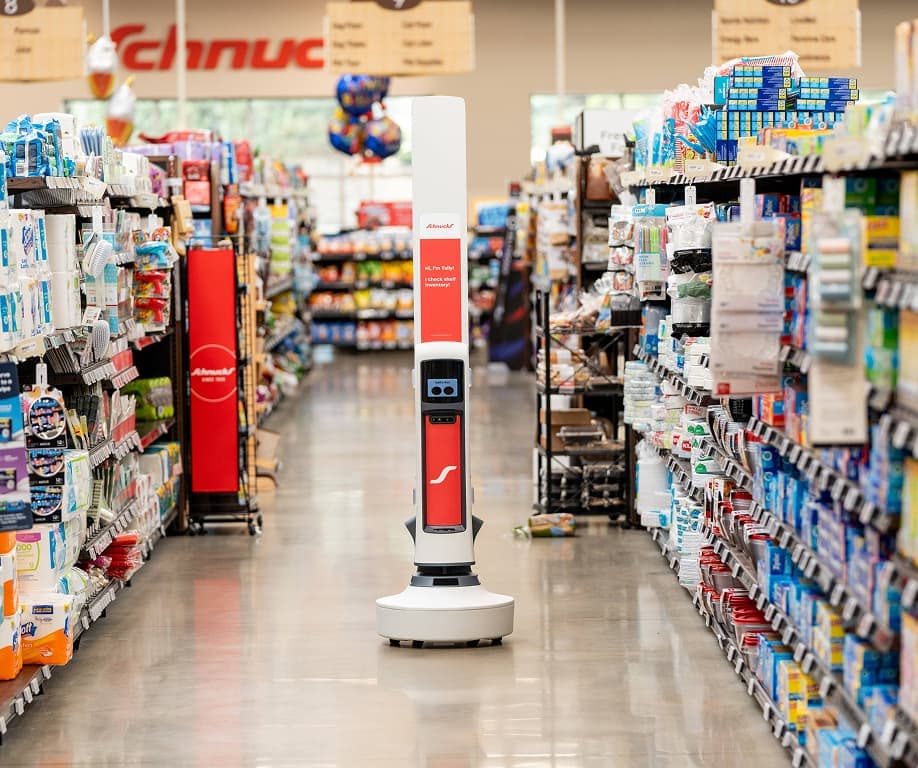
A key goal for 2026 is to turn trends like personalization, subscription experiences, and online product discovery into meaningful, combined physical and digital customer interactions. In-store robotic pilots will be fully implemented, with a Fortune 50 national retailer likely to execute a chain-wide deployment; agentic shopping will become increasingly essential for keeping shoppers engaged; and enterprise-wide automation will quickly lower costs while improving the shopper experience.
Creating sustainable differentiation and uniqueness through the center store and fresh experiences:
Traditionally led by shelf-stable brands, the center store is being revitalized to combat digital commoditization. Premium private labels have advanced beyond budget options to include exclusive "clean-label" products and high-quality staples not available elsewhere. Retailers are creating "What's New" zones and emphasizing viral brand collaborations, such as Biscoff® Cookie Butter, or creative snack kits to promote impulse purchases and evoke nostalgia. The blend of physical and digital, or "phygital," through QR codes that offer real-time sustainability data or AR-powered digital recipes enhances convenience right at the shelf.
Fresh departments remain a crucial factor in fostering shopper loyalty because they provide sensory experiences that online stores cannot replicate. These engaging sensory setups include scent zones with citrus scents, tactile displays of heirloom vegetables, and signage that tells the story of the origin, connecting shoppers to specific farmers. Around 87% of retailers now offer fresh-prepared food service options, including ready-to-heat "clean-label" deli meals and DIY meal kits, such as build-your-own taco bundles. Retailers stand out by emphasizing hyper-local sourcing and exotic produce such as Cosmic Crisp apples and Oishii strawberries, as well as an increasing focus on functional foods like adaptogens and nootropics for health-conscious customers. Significant investments are also being made in store labor and training, with butchers and seafood specialists offering expert, personalized service to strengthen trust.
Winning through integrated collaborative planning:
In 2026, successfully implementing integrated collaborative planning (ICP) requires retailers, suppliers, and wholesalers to move beyond siloed operations toward a unified "one-team" approach that aligns demand, supply, and financial goals.
Three key pillars of Integrated Collaborative Planning:
- Fully Integrated Joint Business Planning (JBP): Retailers and suppliers collaborate to develop strategic roadmaps and agree on shared objectives, such as promotional schedules, real-time forecasting, new item launches, and modular resets, before shelf resets. Best Practices will be founded on a shared source of “grounded” truth (i.e., shelf visibility in real time). This data-centered capability has the real potential to transform the current retailer-wholesaler-manufacturer transactional relationship into a symbiosis that yields exponential value and leverage for all.
- Data-Driven Demand Sensing: Leveraging AI, robotics, and real-time point-of-sale (POS) data enables partners to forecast shifts in consumer behavior and adjust inventory levels accordingly.
- Cross-Functional Alignment: ICP brings together previously separate organizations and departments from retailers, wholesalers, and manufacturers into a single planning process to ensure every decision promotes overall business growth.
Up Next: Takeaways from Thom’s NGA Panel

Thom Blischok
CEO, The Dialogic Group | Simbe Strategic Advisor
Thom Blischok is CEO of The Dialogic Group and a 40-year retail and CPG industry veteran who advises Simbe's leadership team. He previously served as Chief Retail and CPG Strategist at PwC and held senior global roles at Symphony IRI, Equifax, and Coopers & Lybrand.
![[On Demand] Real Talk | What Using Robots in Retail Stores is Really Like](/_next/image?url=https%3A%2F%2Fcdn.sanity.io%2Fimages%2Foh42c9n6%2Fproduction%2F8cb019fe8c1a0e3317a85dfff2d95fad7fc5038a-3240x1700.png&w=3840&q=75)