
Why Convenience Stores Are Turning to Robotics to Solve Labor Shortages and Inventory Challenges
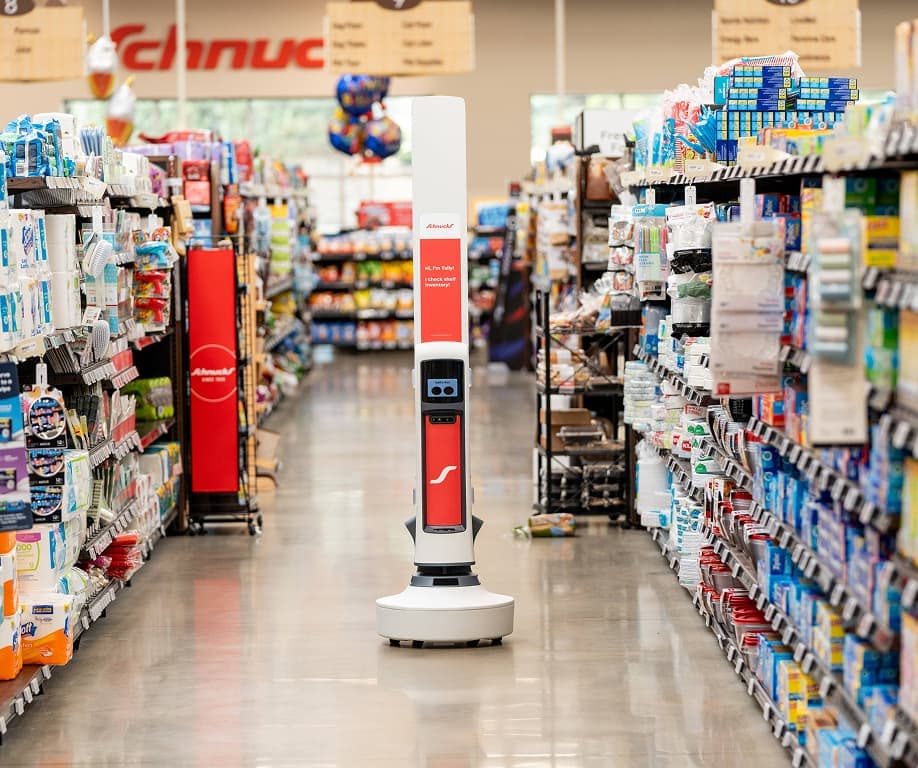
In-store robots are transforming convenience stores (c-stores) from traditional retail outlets into automated centers, changing how people shop there.

Thom Blischok
Thom Blischok is the Chairman and CEO of The Dialogic Group
The convenience store industry faces significant challenges due to slim profit margins driven by high overhead costs, including rent, utilities, and rising wages, especially as consumers become more price-conscious. Competition has expanded beyond traditional stores to include supermarkets, dollar stores, fast-food outlets, and e-commerce delivery services. Additionally, modern customers expect digital features such as mobile ordering, self-checkout kiosks, and loyalty programs, all of which require substantial initial investments.
Managing a convenience store involves handling fast-paced operations where even small inefficiencies can severely impact profits. Common issues include ongoing staffing shortages, complex inventory management of both shelf-stable and perishable items, and maintaining security in busy, often cash-heavy environments. In-store robots, possibly combined with fixed sensors and RFID, can rapidly improve the efficiency of convenience store staff and shelf management by handling routine tasks, enabling employees to concentrate on enhancing the overall shopping experience. These technologies have the potential to transform the retail experience by reducing costs, enhancing customer satisfaction, and increasing associate productivity.
By 2026, the convenience store sector will initially adopt robotics as operators seek to improve profitability and customer experience. Robots capable of continuously monitoring shelves and food stations will become a key differentiator. Over the next two years, in-store robots will ensure chips are stocked, hot dogs are replenished, and ice cream freezer temperatures stay within the proper range.
In-store robots are expected to lead to happier customers, more satisfied staff, and higher profits for retailers. Industry perspectives suggest that 2025 and 2026 mark the early piloting phase for robotics in convenience retail. By 2027 and 2028, successful pilots are expected to scale, expanding capabilities and transforming the in-store experience.
Beginning with operational & inventory challenges:
In-store robotics, sensors, and RFID technologies are fundamentally reshaping retail by shifting from a labor-intensive approach to a data-driven, automated ecosystem. The integration of these technologies results in measurable improvements in both revenue and operational efficiency.
Top challenges with the greatest potential to impact sales & margin include:
- Inventory Management: Balancing shelf stock to prevent both "out-of-stock" losses and "overstocked" tied-up capital is challenging.
- Pricing Accuracy: Ensuring the item's price is correct.
- Perishable Goods: Fresh food's limited shelf life means poor management causes waste and "shrinkage" (lost profit).
- Supply Chain Disruptions: Delivery issues cause empty shelves, frustrating customers.
- Space Constraints: Limited store space demands strategic product choices to maximize revenue per square foot.
Solving for labor & staffing issues:
The c-store industry experiences a high turnover rate, sometimes exceeding 100%, primarily due to low wages, safety issues, and demanding hours. Recruiting dependable staff for less desirable shifts, such as late nights or early mornings, remains a consistent challenge for managers. Many independent owners end up working over 70 hours a week because they cannot find enough staff to cover all shifts. In-store robots automate mundane yet imperative tasks such as shelf management, allowing associates to continuously engage with customers.
C-store operators can achieve substantial advantages by using in-store robots, primarily by addressing labor shortages, boosting operational efficiency, and enriching the shopper experience. Implementing automation can lead to productivity increases, with estimates ranging from 20% to 125% through four key business case benefits:
- Winning at the shelf – expect significant improvement in shelf productivity and the associated inventory needs.
- Realizing a lower cost operating model – less slow-moving and obsolete inventory, improved merchandise availability, and less waste.
- Enhancing the shopper experience - consistent product availability, more attention to shopper needs, and increased time to manage the banner promise
- Leveraging real-time robotic data and analytics - in-store robots compile detailed data sets that many stores currently lack, offering insights into product movement, shelf and category productivity, and ongoing shopping behaviors. The result is optimized store merchandising, including store layouts, assortments, and improved promotional strategies.
Strategic technologies, especially in-store robots, in the convenience retail sector are transitioning from a supplementary role to a central focus, with industry leaders emphasizing seamless experiences, enhanced operational efficiency, and personalized data utilization.

Thom Blischok
CEO, The Dialogic Group | Simbe Strategic Advisor
Thom Blischok is CEO of The Dialogic Group and a 40-year retail and CPG industry veteran who advises Simbe's leadership team. He previously served as Chief Retail and CPG Strategist at PwC and held senior global roles at Symphony IRI, Equifax, and Coopers & Lybrand.
![[On Demand] Real Talk | What Using Robots in Retail Stores is Really Like](/_next/image?url=https%3A%2F%2Fcdn.sanity.io%2Fimages%2Foh42c9n6%2Fproduction%2F8cb019fe8c1a0e3317a85dfff2d95fad7fc5038a-3240x1700.png&w=3840&q=75)